Unwise Pilgrim

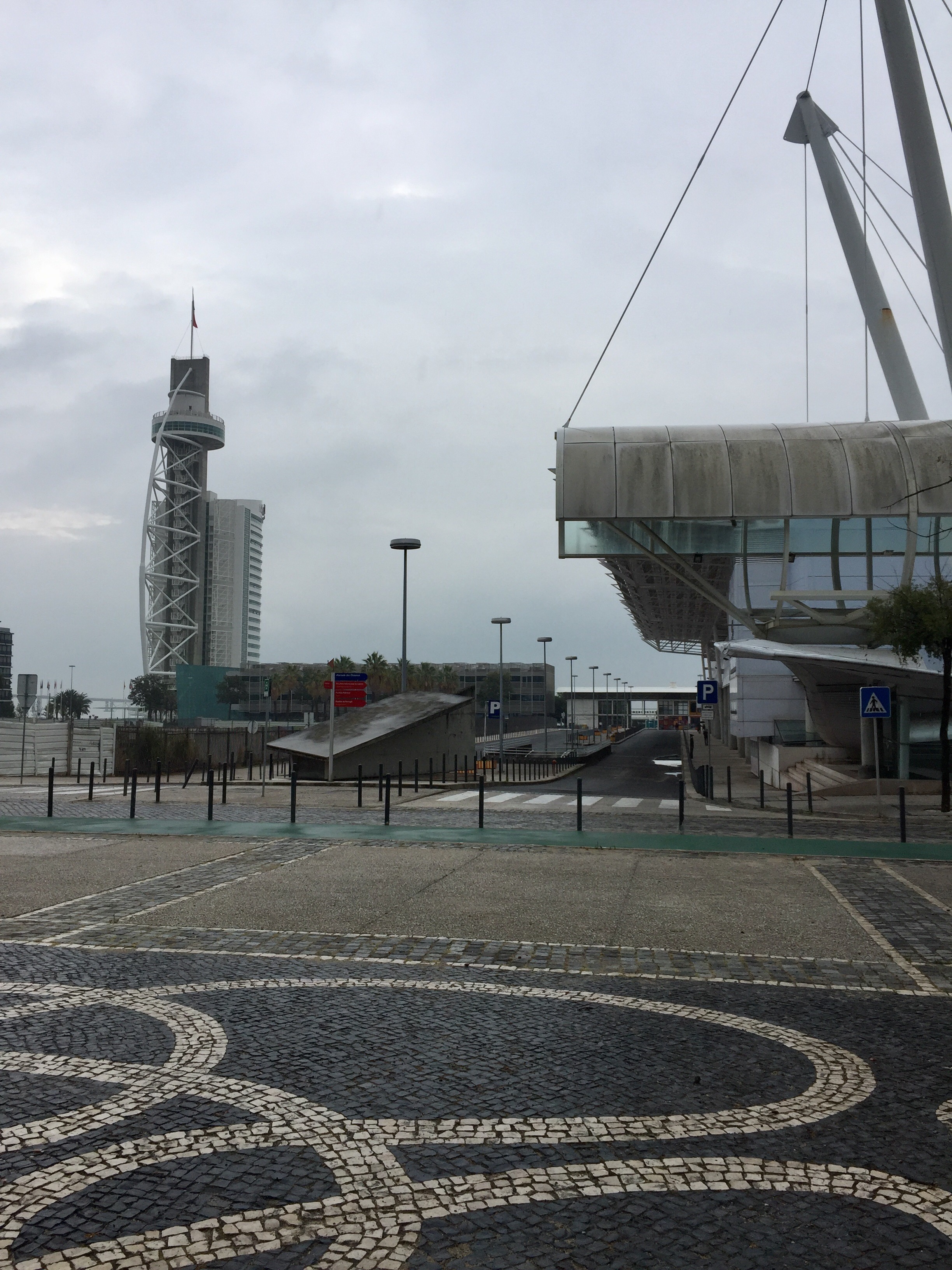
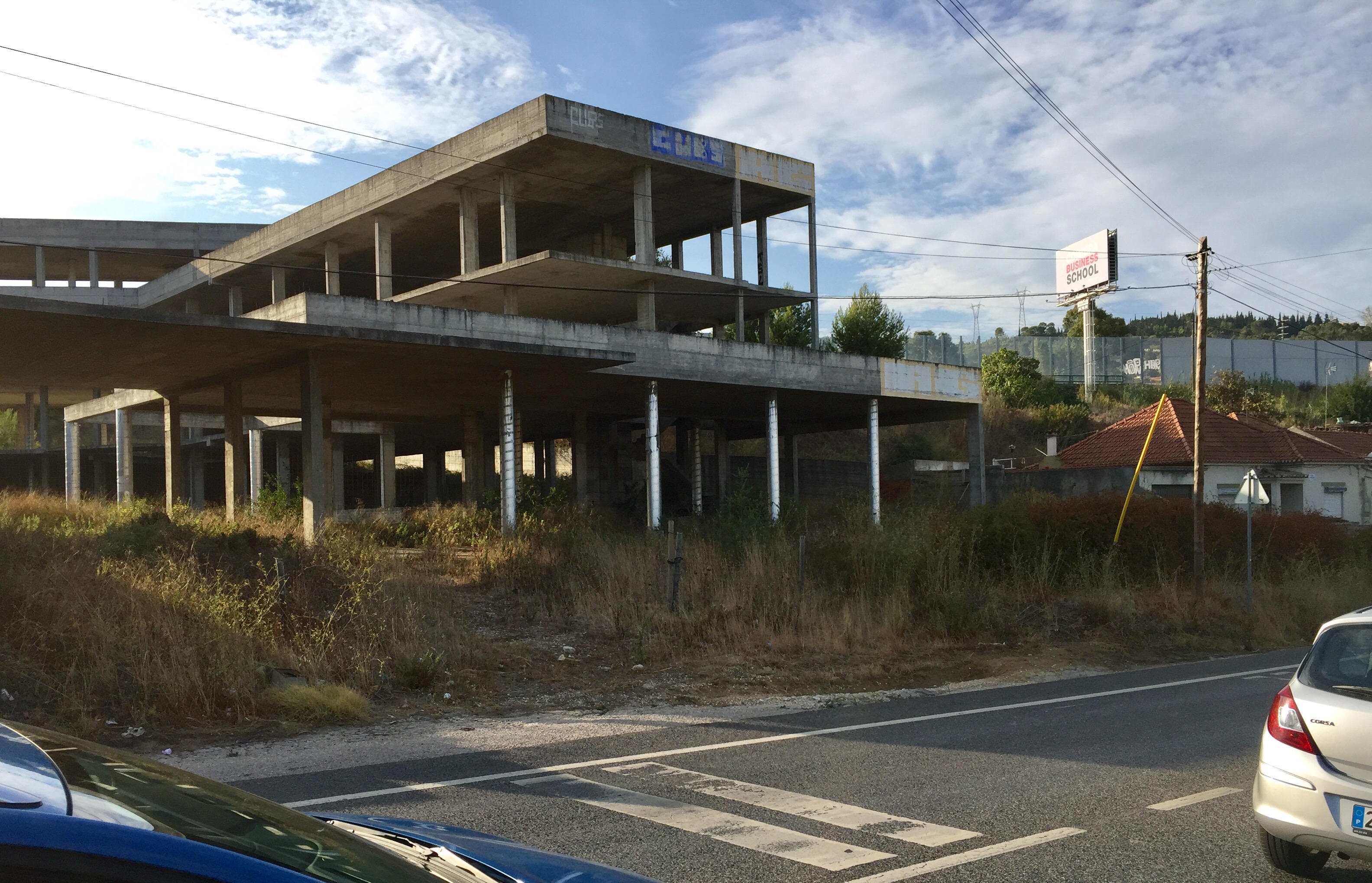
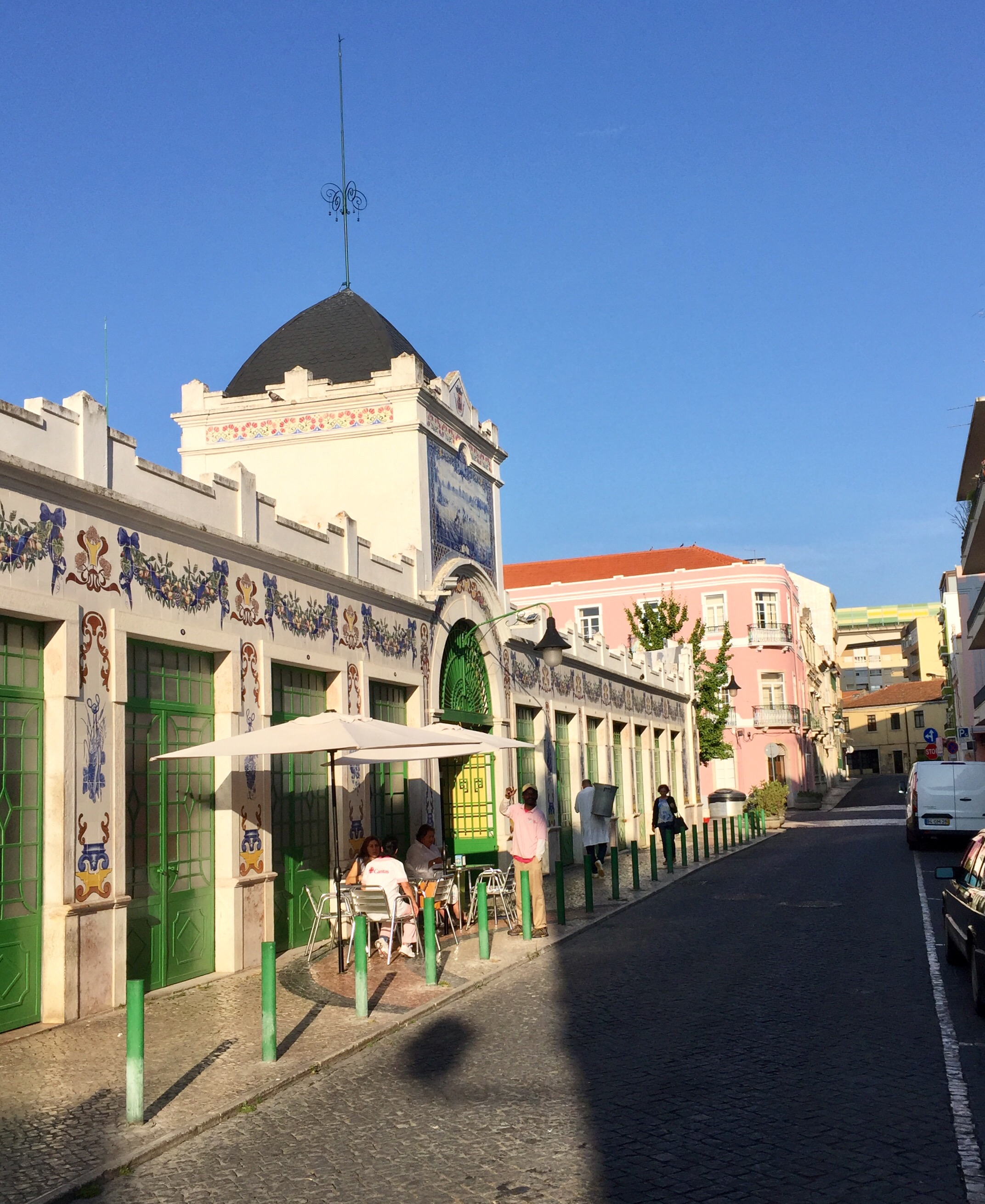
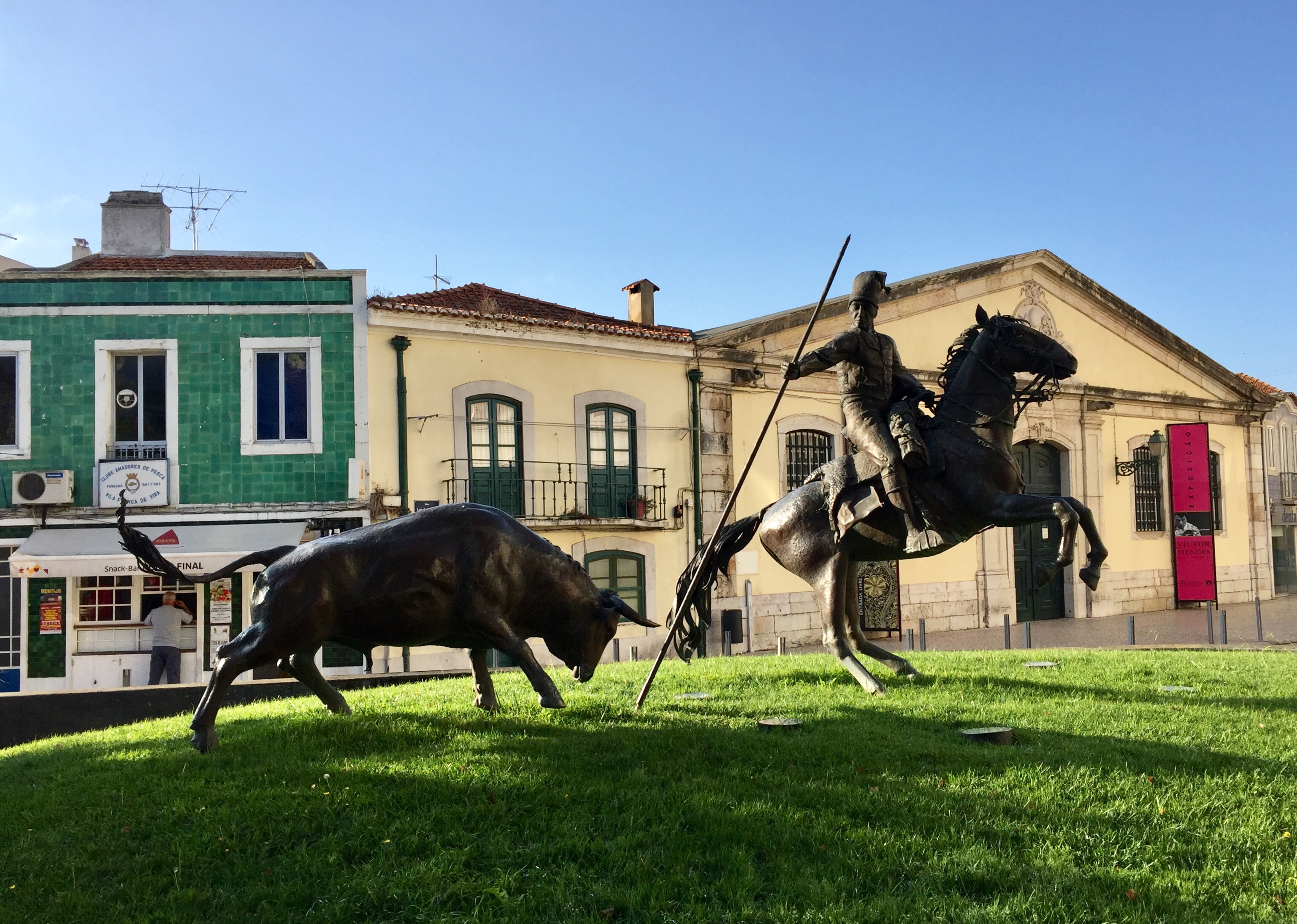
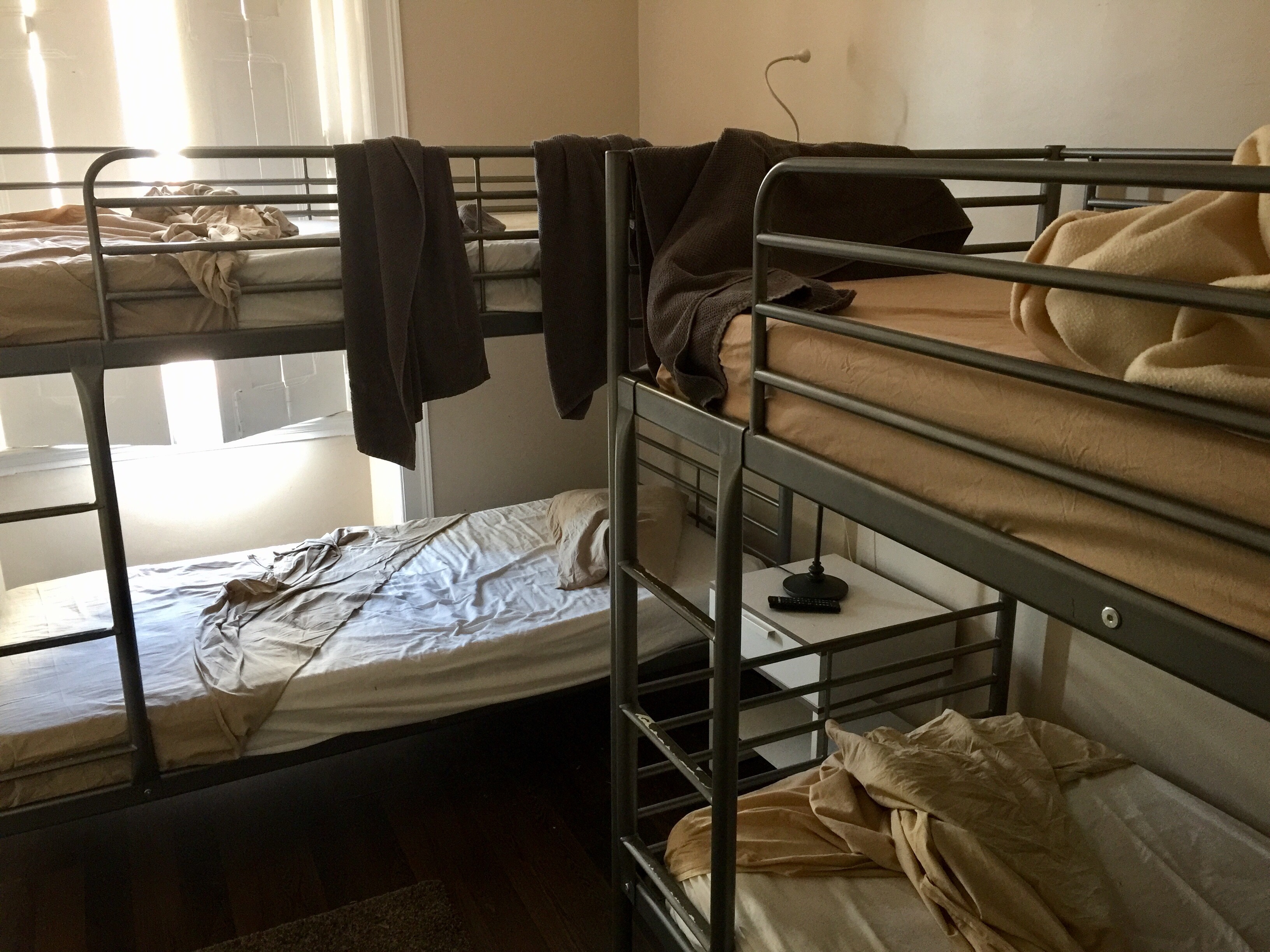
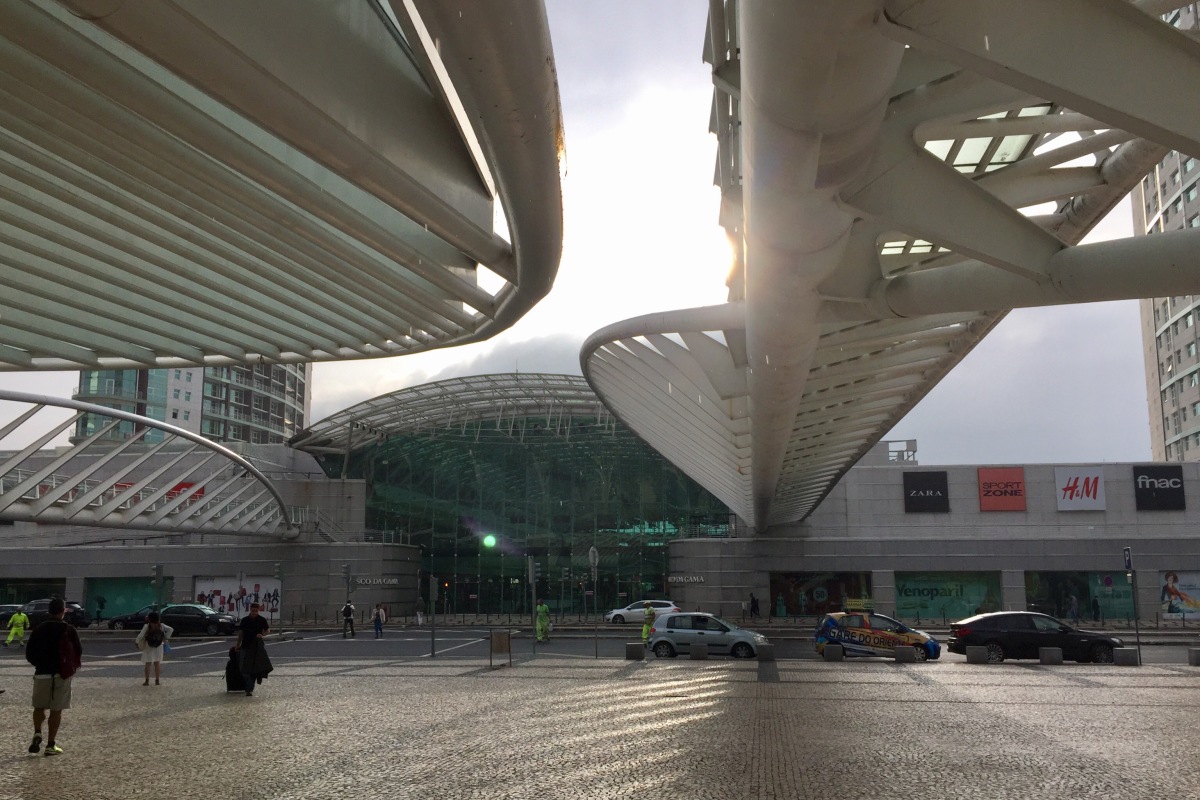
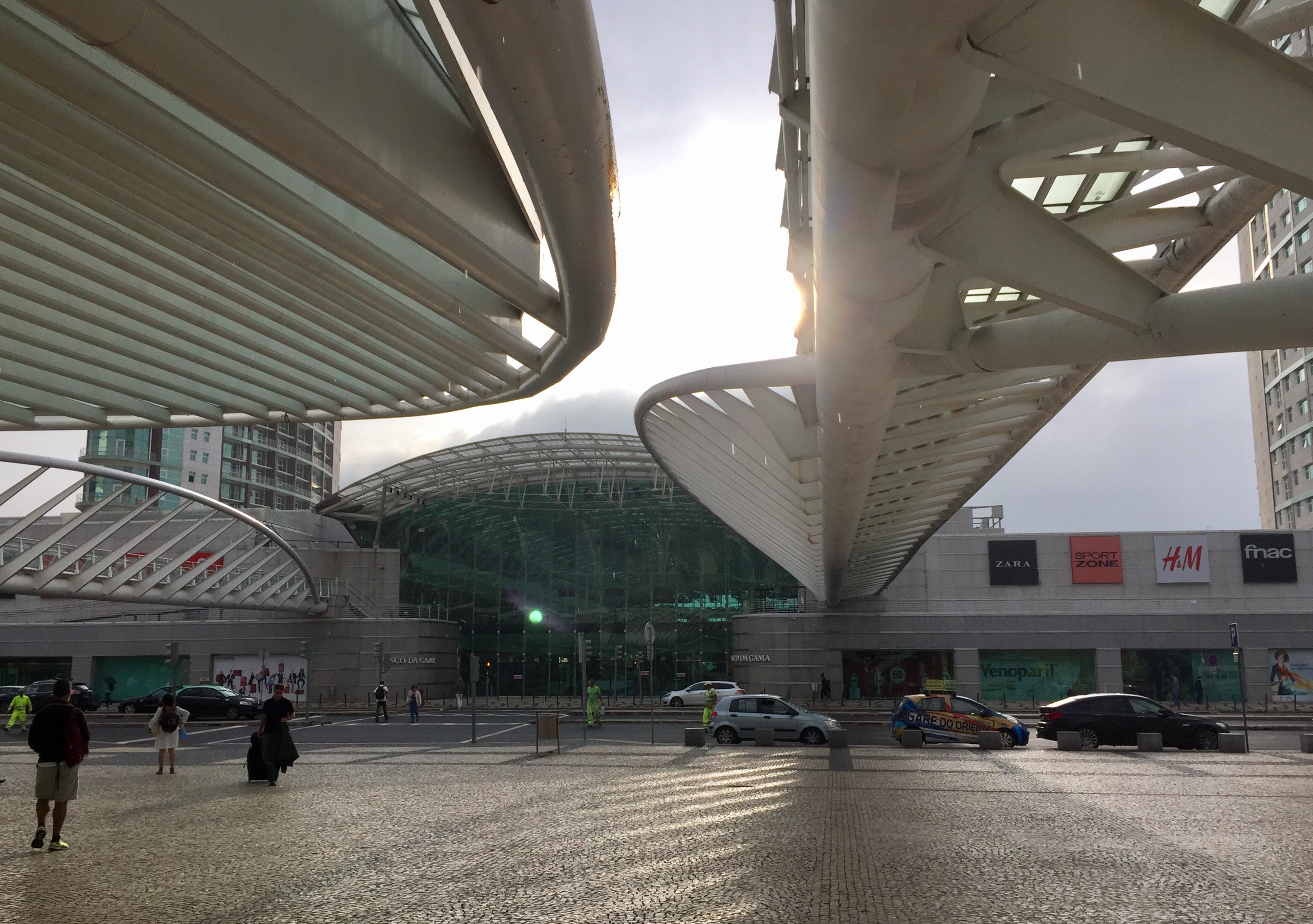
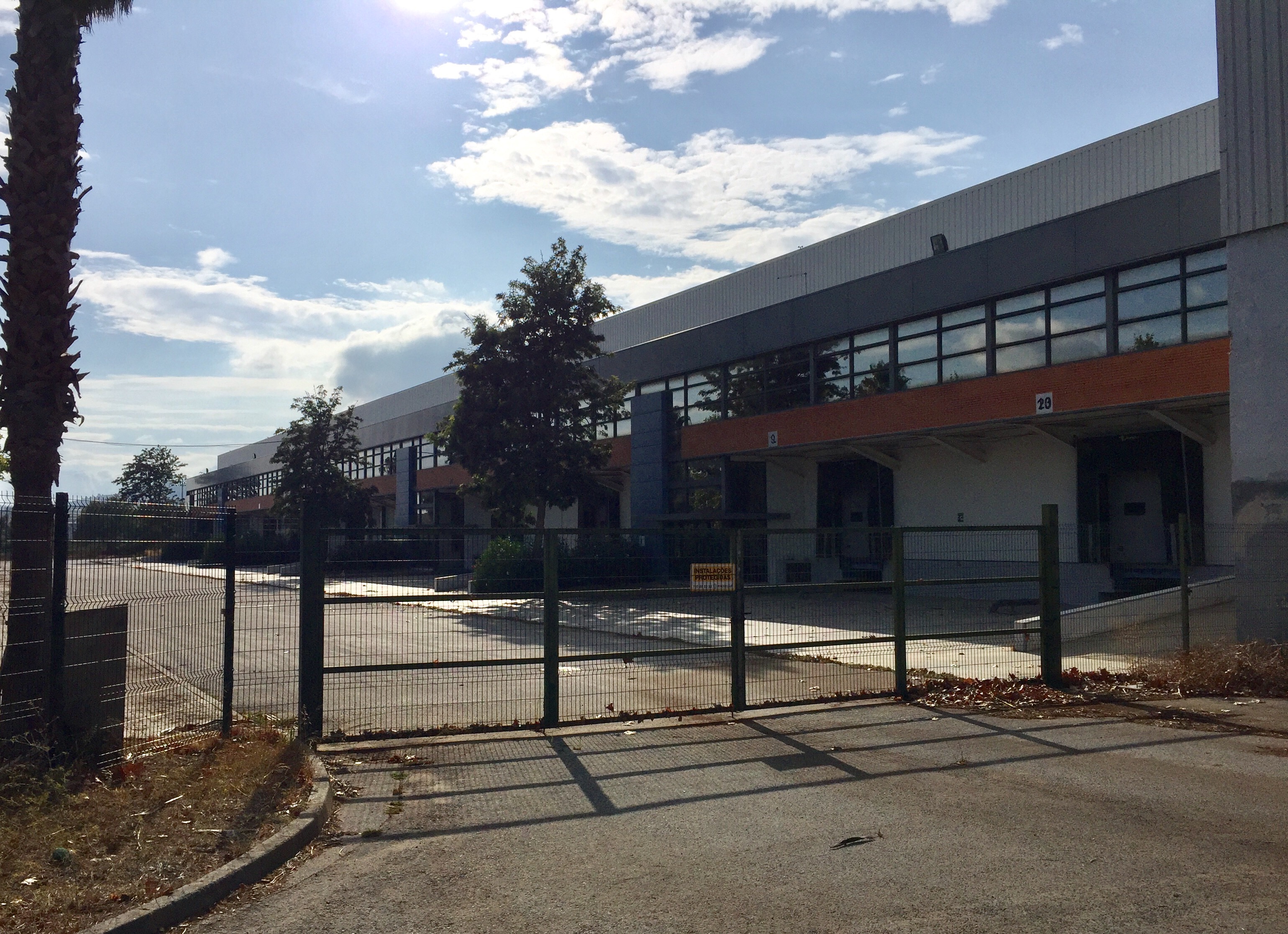
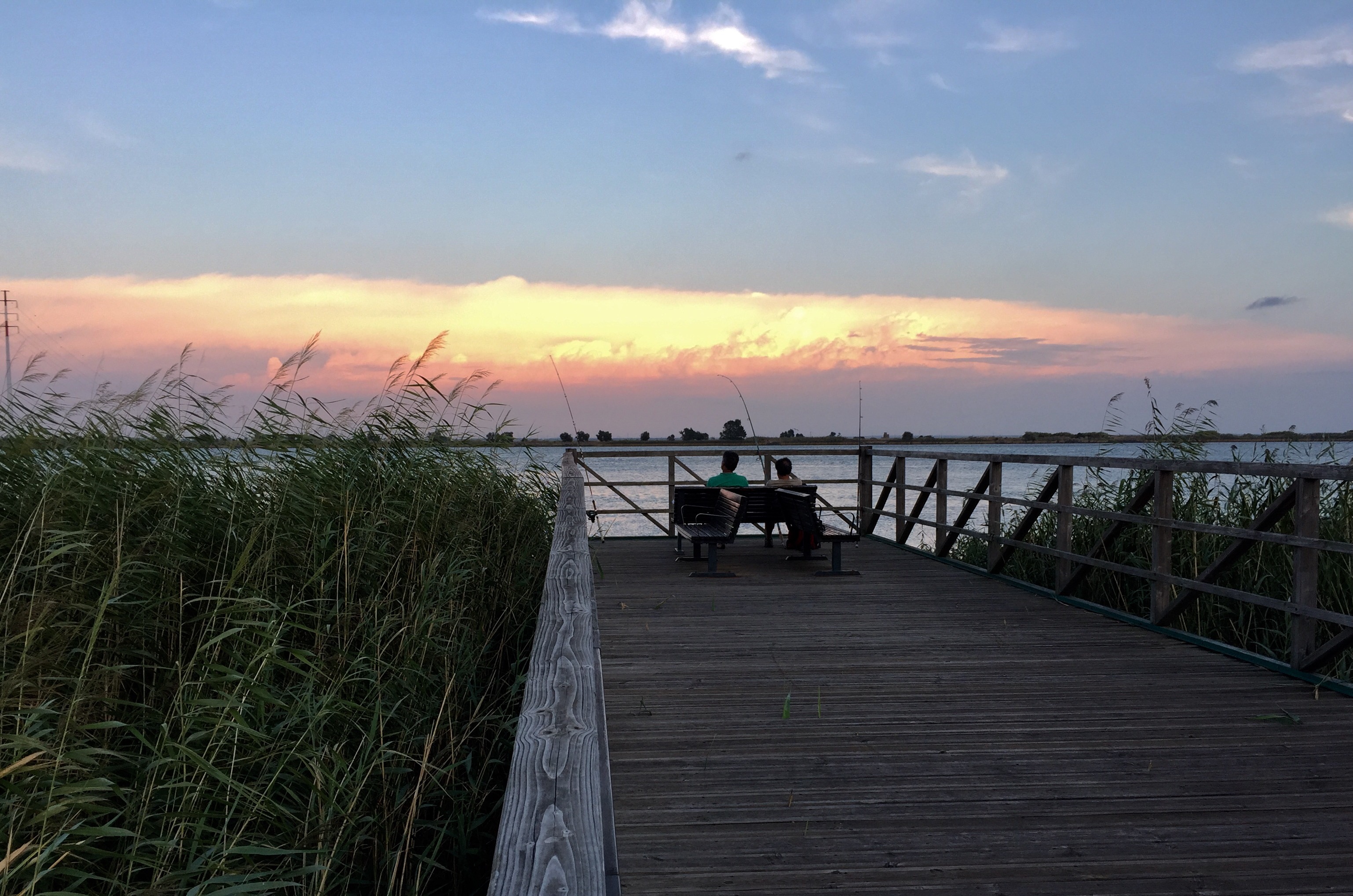
When you have 10 to 14 hours by yourself, in your own head, you dictate countless stories, but I have neither the time nor the energy to write them all. So I’ll go with this.An app for people who walk the various Caminos is called “Wise Pilgrim.” I should have listened to its advice. Unless you’re an absolute purist, it says, skip the industrial outskirts of Lisbon and take the train to Azambuja, a city to the north, and start walking there. I’m not a purist, far from it, but I’m stubborn, so I decided on a hybrid start. I left my hostel in Lisbon on Tuesday at 7am, after a sleepless night, and took a long series of steps from the “high quarter” down to the main section of the city where I took the Metro to the system’s northernmost station near the Camino. It’s called Oriente, so that was my starting point, still very much in The city but no longer downtown. It’s a sleek and modern, I’m guessing upscale, commercial and residential apartment block area. Not long afterwards, though, things change. It becomes clear that the Portuguese economy has suffered. Storefronts are shuttered on the street level of grand buildings, and I can only assume that their upper floor occupancy is limited (sorry, it’s the banker in me coming out). Then comes a district of industrial buildings, factories and warehouses that were closed and going to seed. Sad! This early section of the Camino is neither inspirational nor scenic; I’m struggling both inside and out. I had planned a long day of 21 miles, and I’m regretting both the distance and not listening to the “Wise Pilgrim.” Finally, the first day ends in the first charming suburb of Lisbon all day… Villa Franca de Xira. The last several miles approaching it are along a green belt recreation area on the banks of the River Tejos. It’s packed with runners and strollers, and a few fishermen. Once in town I find my hostel and become the 4th person in a tiny room with two 2-tiered bunks. My roomies, a couple from Sandusky, Ohio and a doctor from Brazil (it’s his 5th Camino), are ready for lights-out, so I take a much-needed shower and climb up my upper bunk. Maybe tomorrow will be better (but since I’m writing this two days later, don’t count on it).
Discoveries – theirs and mine 

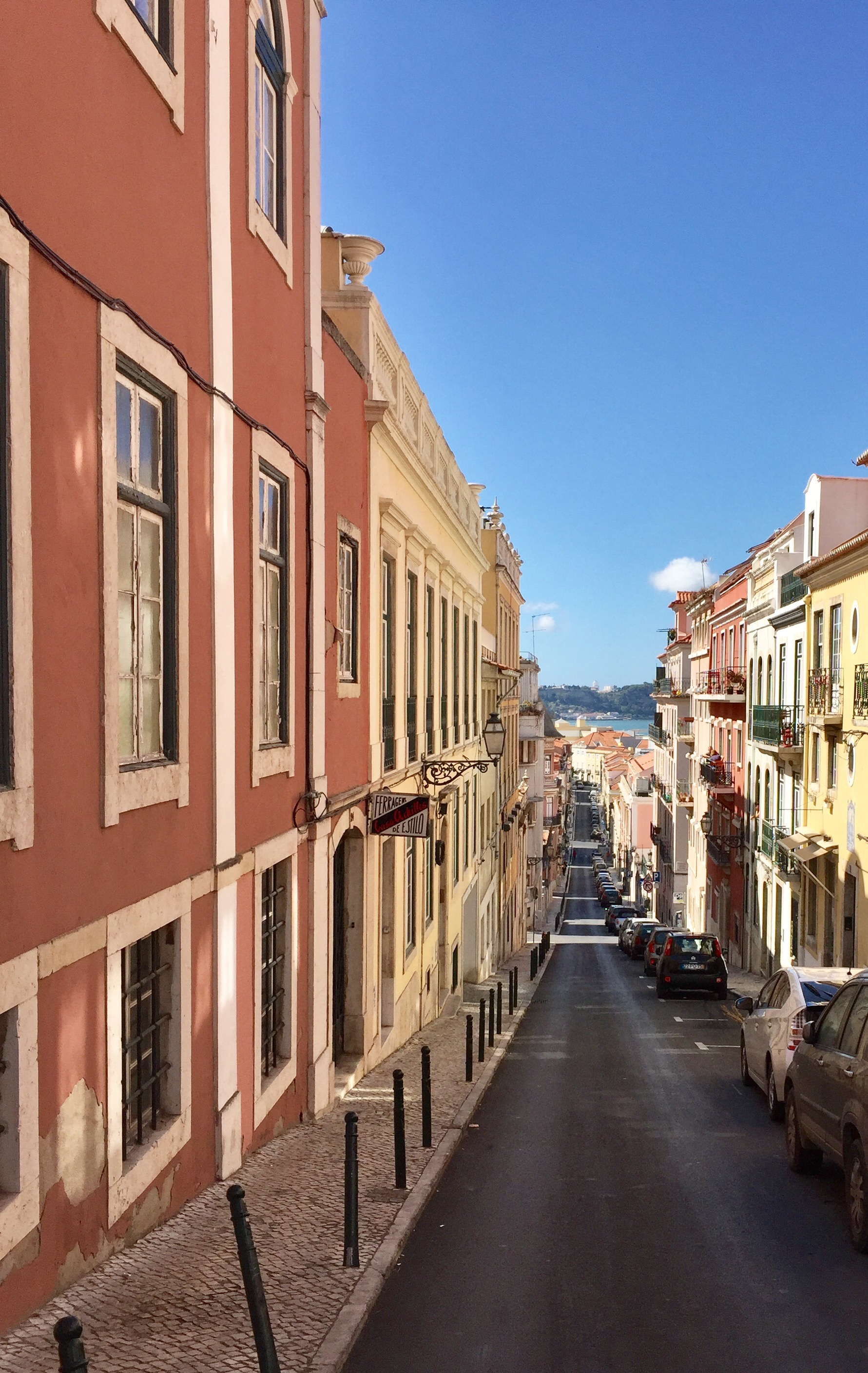
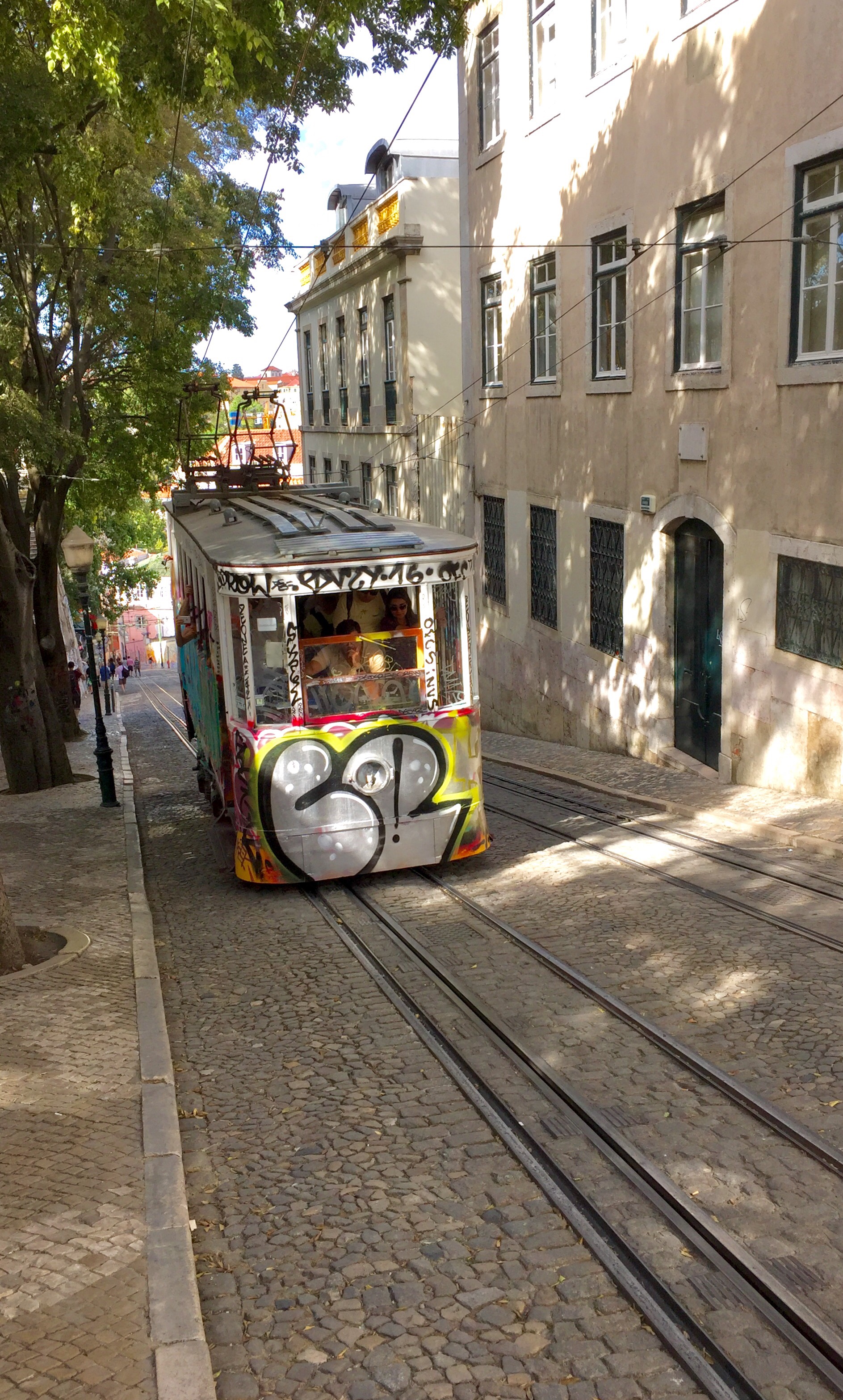
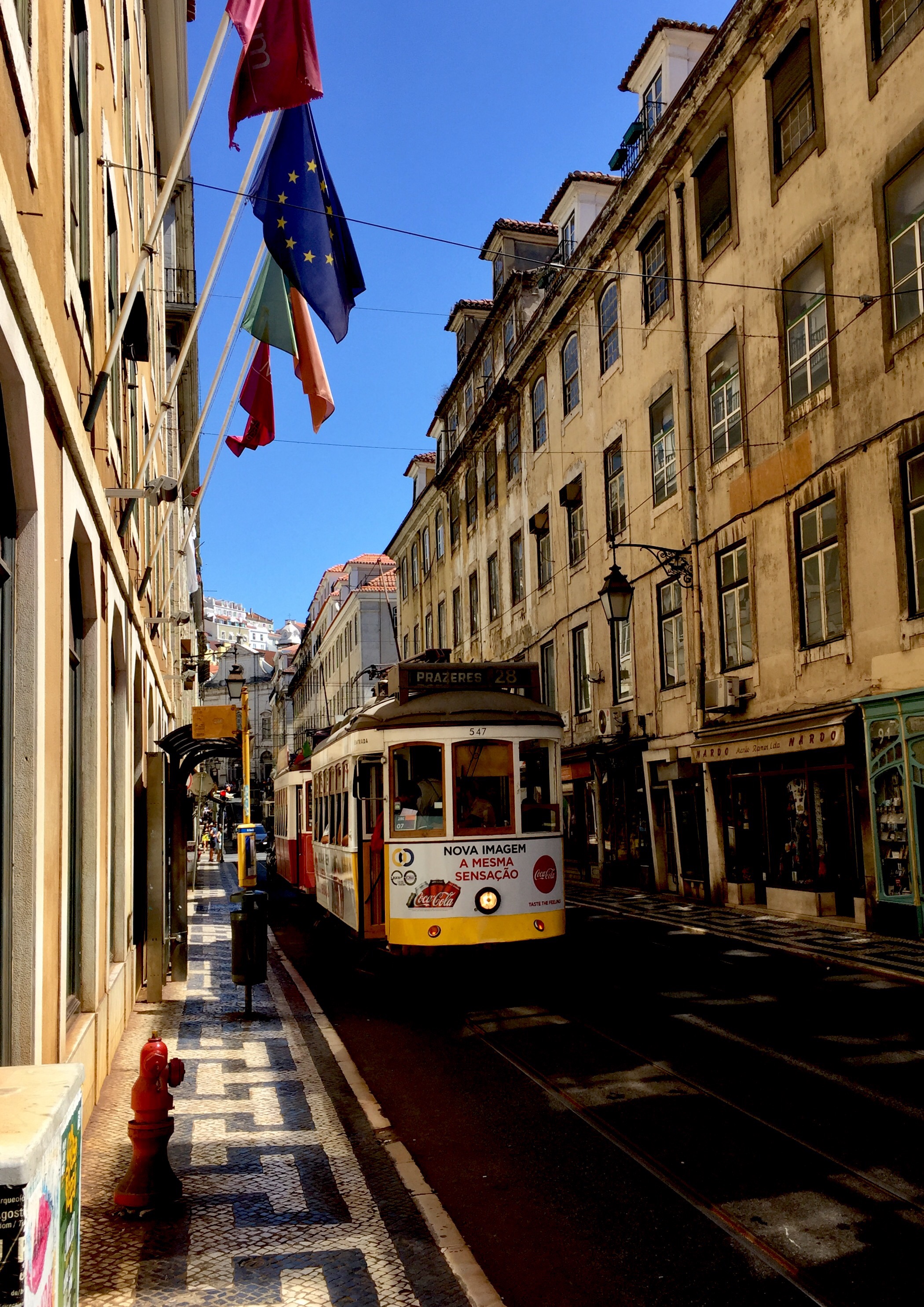
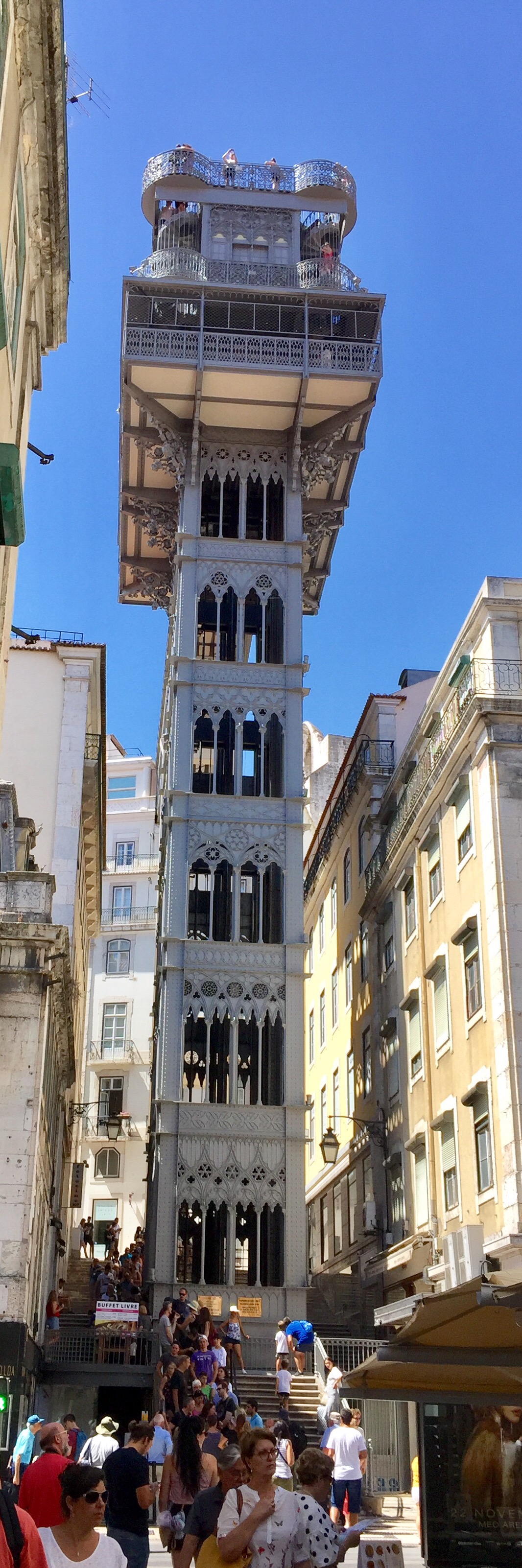
First impressions are often wrong, but this one is a slam dunk. It took only a few minutes after arriving that I learned something I hadn’t known. This is one very hilly city. San Francisco has nothing on Lisbon. Rome is known as the City of Seven Hills, but so is Lisbon, as I just learned, but they’re much steeper than Rome’s. The solution here is known as “ascensors,” elevators, and cable cars. When I say elevators, that’s a broad term for a variety of devices. One, just 100 meters from my hostel, is called the “Ascensor do Gloria” and it’s a funicular that plies up and down what may be the very steepest street of all. Being a walker, I snubbed the elevator in my first hour after arriving, but it was so steep that all I could do was lunge downhill from one lamppost to the next, each time catching myself to avoid just plunging down the hill in what would have ended this adventure – and possibly this life – right then and there. Having learned that lesson the hard way, I’ve now invested in several tickets that get me a safe but short ride down or up. Another elevator, a tourist destination, is the “Elevador de Santa Justa.” Hard to describe, it’s at the end of a small street and looks like a filigreed seven story iron tower through which an old elevator rises or descends on a cable. At the top are three fanciful viewing platforms and a bridge that leads to the street above. Other hilly streets are just served by less dramatic, but functional, street cars. Some buildings have public elevators – the Otis kind like what we all know- that people can use to get from one level of street to the next. Cars and trucks have to traverse up and down the hills over long and winding switchbacks. So there you are, a first impression.
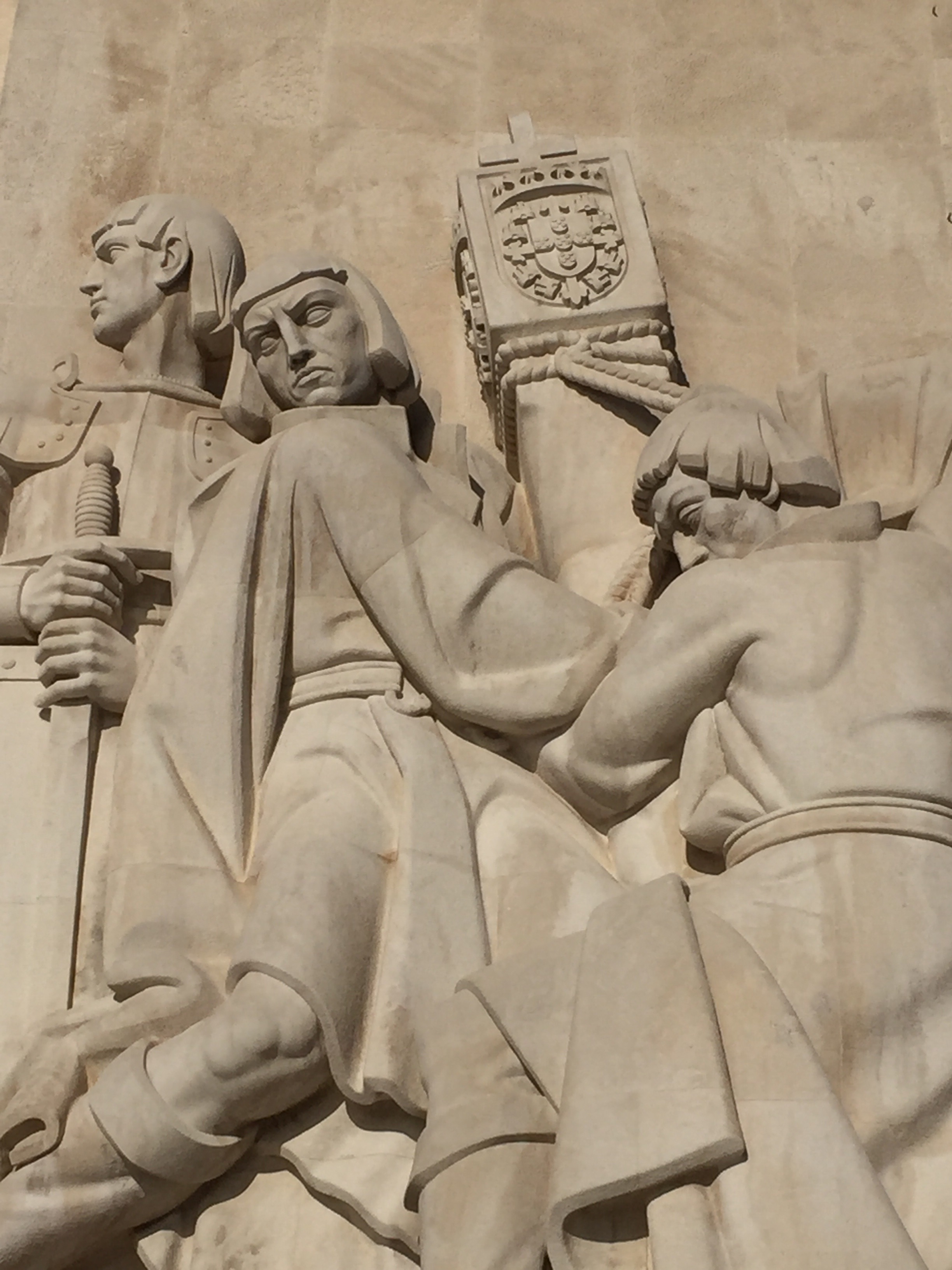
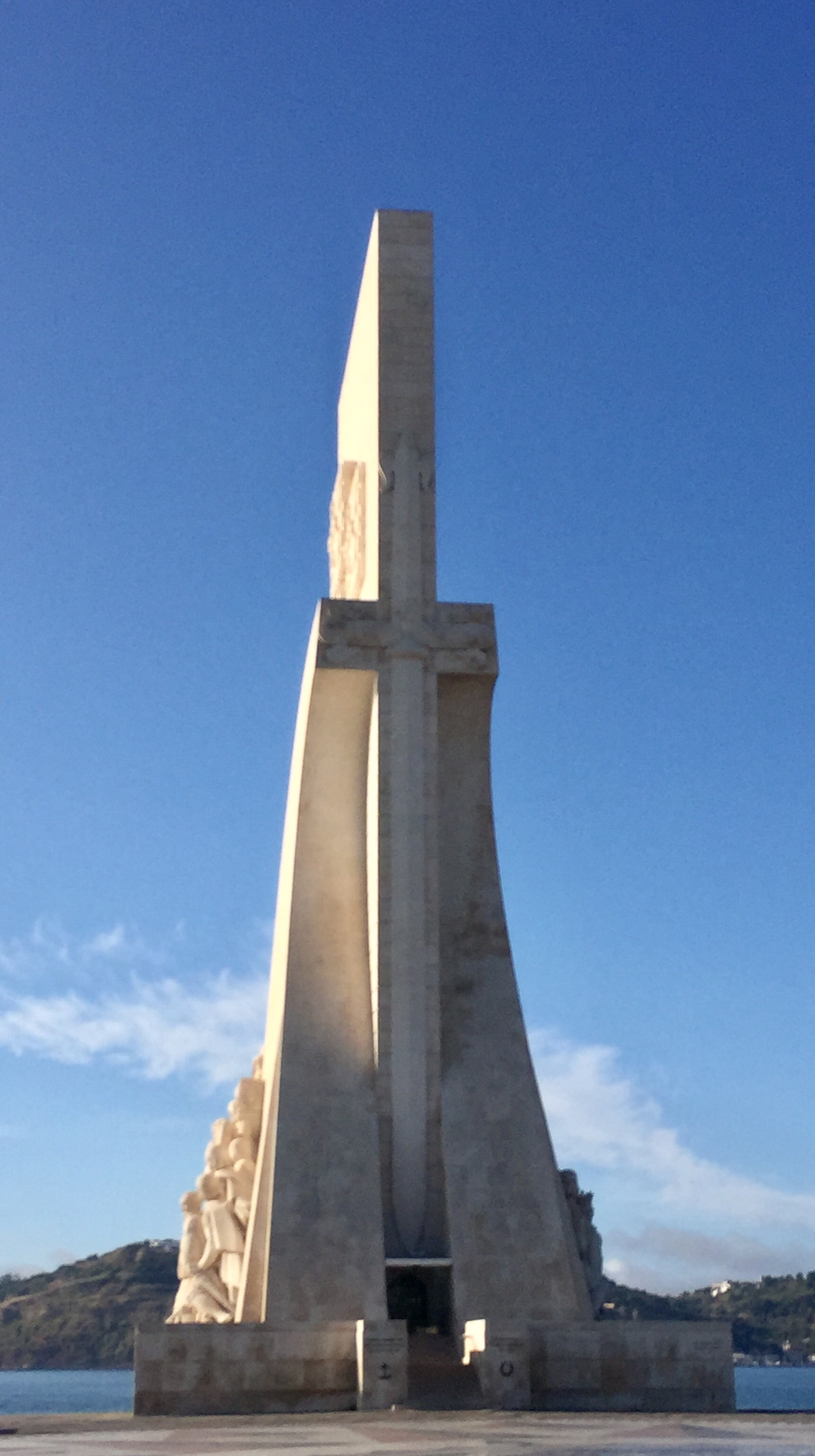
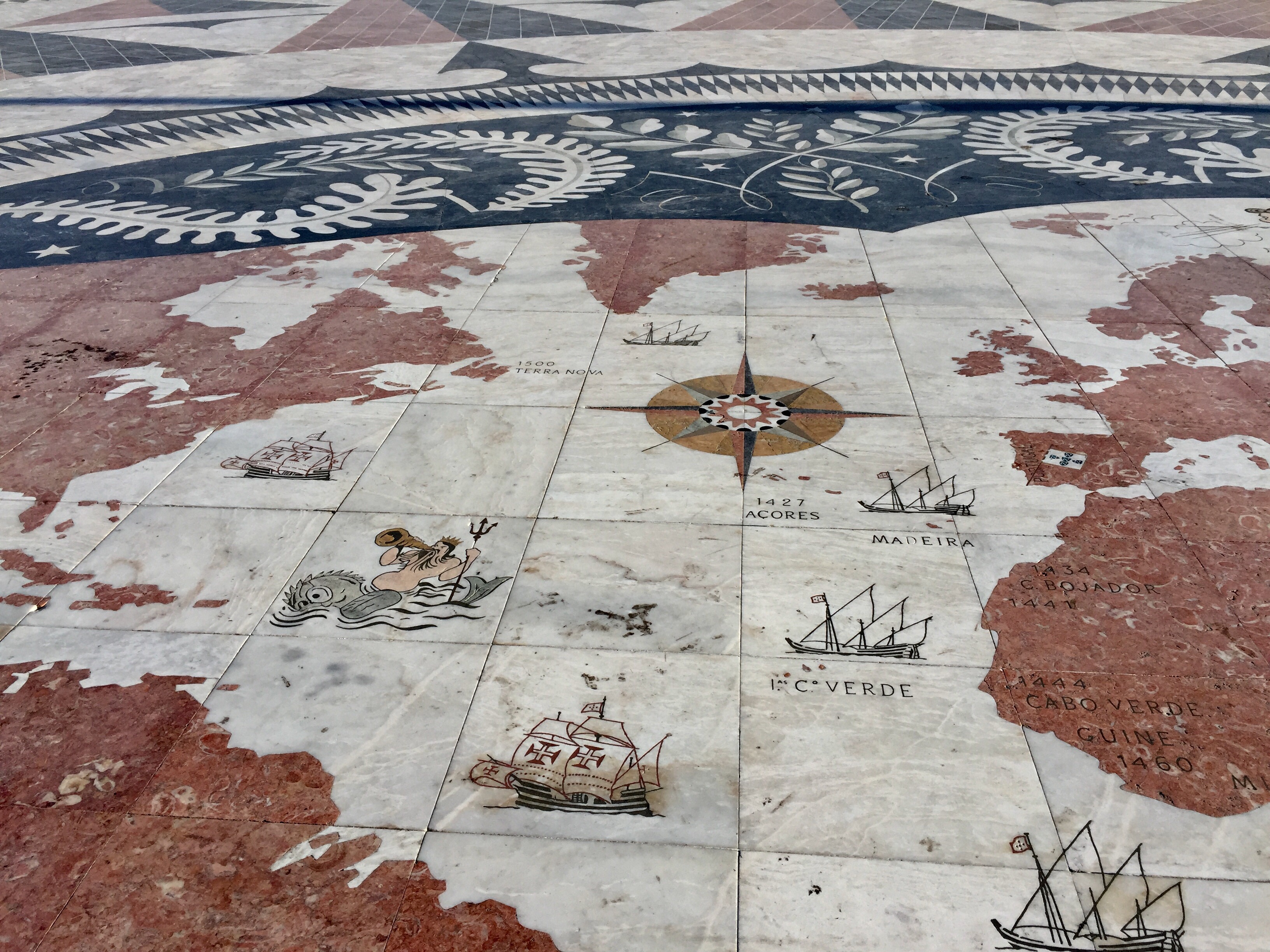
A habit, a good one, is that I love getting up in new places real early and just start exploring around on foot. That’s how the first full day – Sunday- started. I knew that I wanted to walk along the waterfront as it’s flatter, so I took an Uber from my hostel in the Barrio Alto (the high quarter, which being hip, may refer to more than the elevation). The destination, actually the starting point for my early walk, was the Tower of Belem. It’s a historic and distinctive landmark dating to 1514 when it protected the entrance to the Tagus River from the Atlantic. As the last structure before the sea, at that time, it was also the last piece of the homeland that the great Portuguese mariners/explorers saw as they sailed off. In the early morning light, or any time, it’s an impressive structure that now sits out in the shallow water off the river bank. A nearby park seems to be the meeting spot for countless groups of runners, including a large contingent sporting “Belem Runners” tee-shirts. I didn’t join them but followed their trail along the river on my right and, on my left, a series of palaces, elaborate public gardens and dramatic memorials, ancient and contemporary. In the latter category is the overwhelming Monument to the Discoveries. Most obviously it represents a rising ship’s prow, jutting into the water, with a long row of explorers heaving-to on each side of the “ship.” Everything is of massive scale. From the land side, the monument rises high into the sky, possibly representing a ship’s mast. But it’s clearly also a sword, a very long and frightening sword, saying perhaps that no exploration could take place without violence and danger. But it also represents a cross, reflecting the sometimes-sword-enforced role of the church in the spread of Christianity in the age of exploration. It’s all there and leaves you breathless. Nearby is a huge mosaic plaza depicting a Rosa dos Ventos (the depiction of the four compass points) and the surface of the earth, both seas and land masses. It doesn’t take long to see clearly how Portugal’s position and long coastline facilitated its outsized role in connecting Europe to remote parts of the rest of the world. 
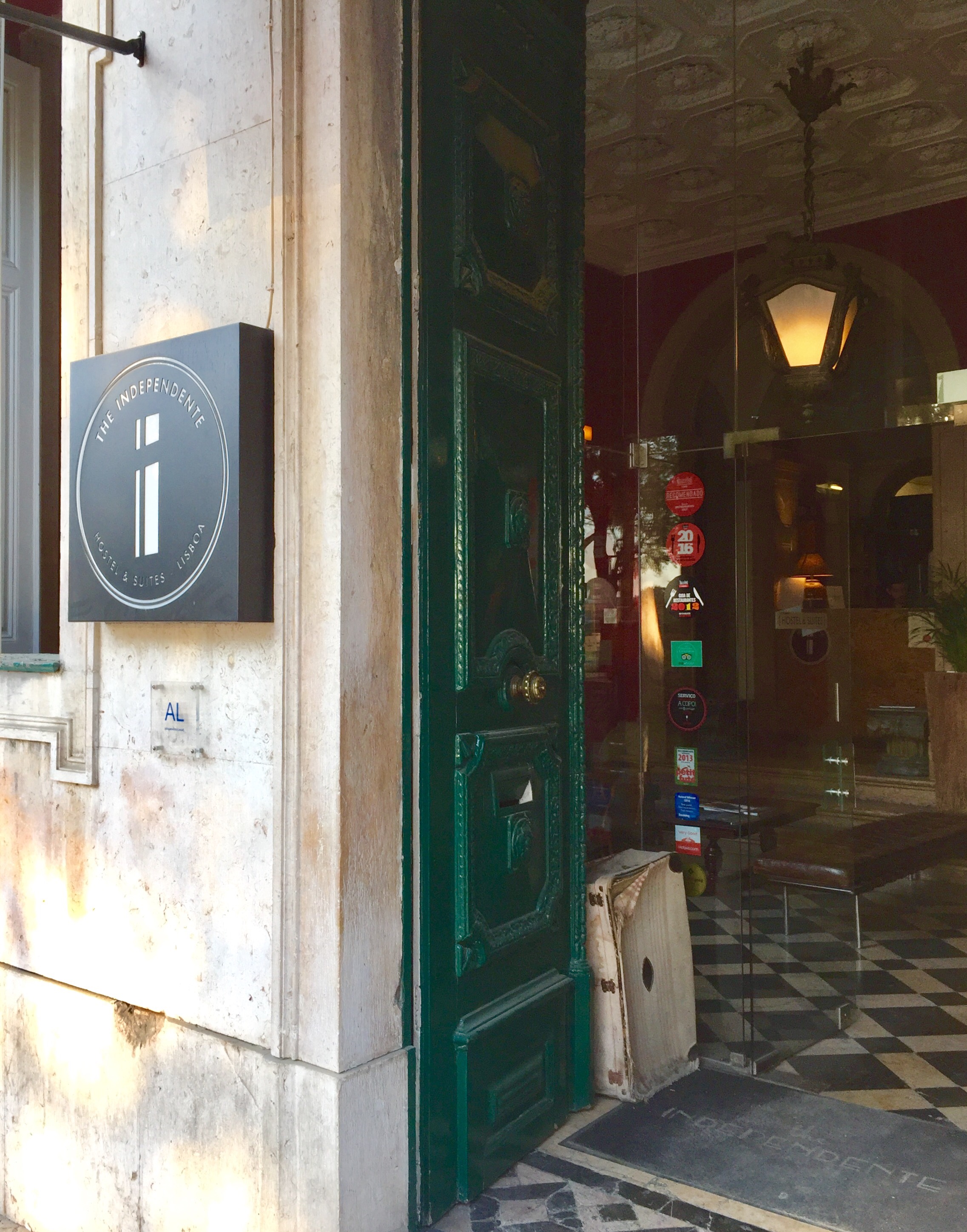
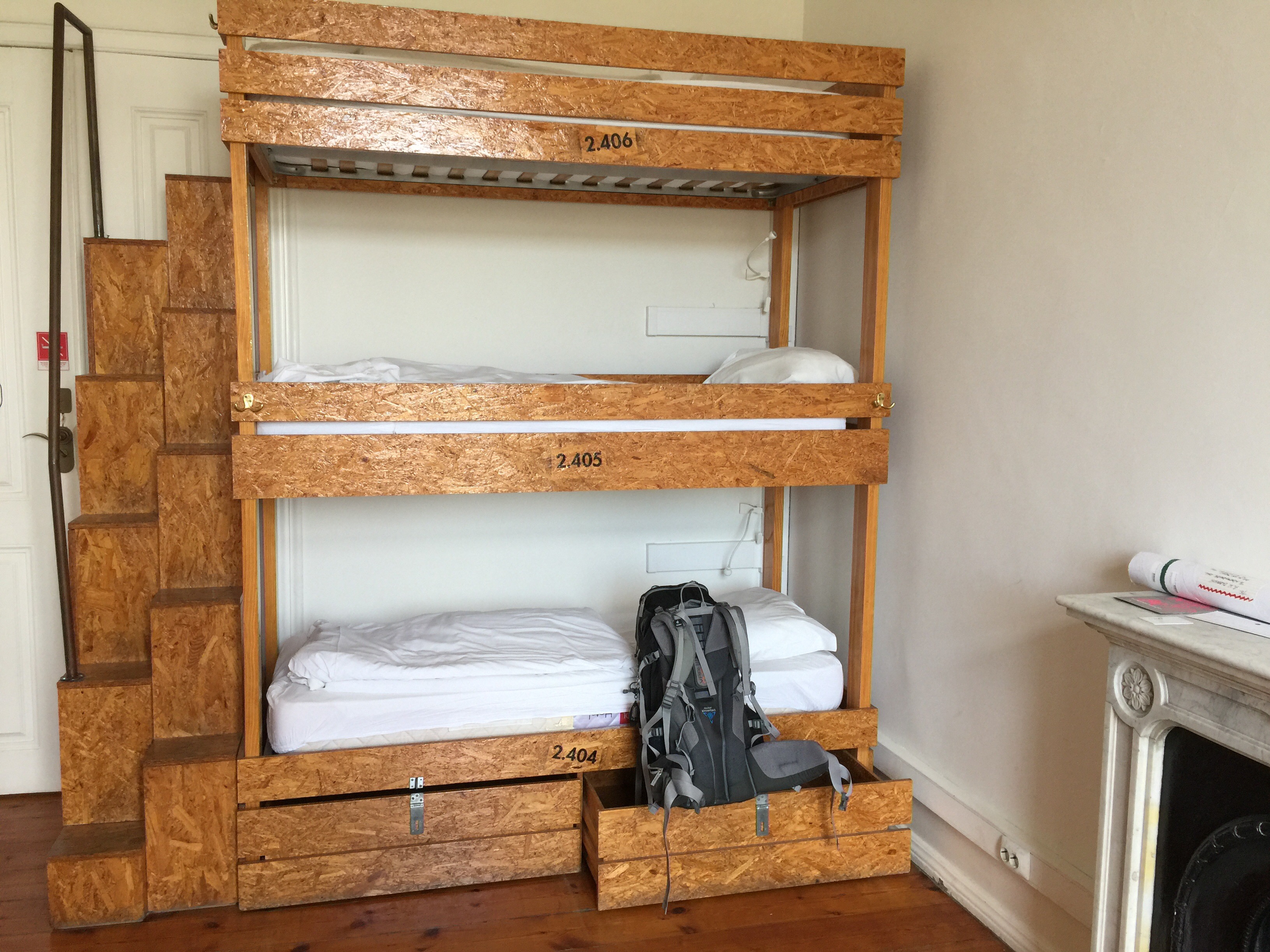
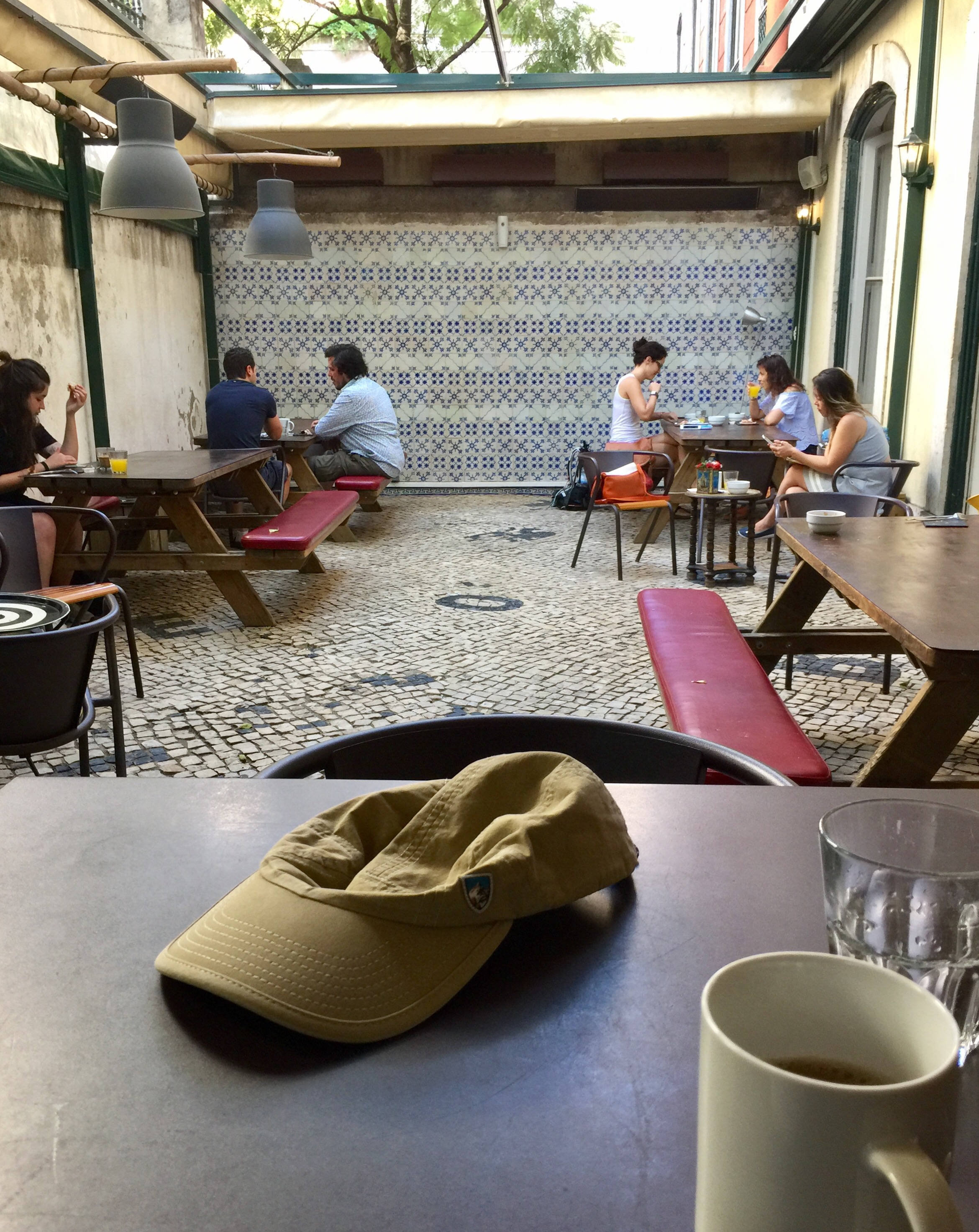
A side note: I referred to my hostel here in Lisbon. I chose to stay in one, rather than a more conventional hotel, to break myself into the Camino mindset. My partner from two years ago, Jay, is probably appalled, but our younger Camino friends might be proud that I’ve come around. In any case, I’m staying at a hip place I’d read about and it’s hardly rough. I’m writing this from the open air cafe, enjoying a fresh lemonade, cool jazz and a fun vibe. But yes, I’m in the bottom bunk of a three-tiered bunk bed with five roomies each of whom could be my child or possibly grandchild. 
This is already a too-long story, so more soon. Tomorrow, early, I start walking.

Chutes and doubts

If you’re thinking that a Camino pilgrimage starts either with spiritual enlightenment or some sort of drama, sadly you’re mistaken. Like any long trip, especially overseas, it starts with a series of totally mundane steps through multiple airports, passing through countless check-ins and controls. It’s enough to make me thrill at the thought of just walking without moving sidewalks, escalators or human versions of cattle chutes. For the illusion of speed and glamour of air travel, we’ve certainly sacrificed a lot of our individual dignity. 
True confession: Starting the day before my departure, a sense of self-doubt showed it’s frightened head. Suddenly I remembered my age, just months shy of seven decades, and thought, “who am I to undertake a very long walk in a country I don’t know at all?“ Then a German childhood friend called and said simply, “you’re a very lucky man, in all respects but especially good health, that you can even think to undertake this.” Nancy is equally encouraging and, above all, supportive, so indeed I’m lucky. Remembering that, I suppress the doubt. In the meantime, many of you have also sent words of encouragement. And now, sitting in the Madrid airport, waiting for the short flight to Lisbon, it’s really too late to back out.

Portugal – A Crash Course

This isn’t very smart. I’m about to traverse two-thirds of the length of Portugal, a country about which I know very little. I’ve never set foot there before, but now I’m going to walk through it, so I’m giving myself a crash course.

I’m learning this: It’s one of Europe’s oldest nations, older, in fact, than its larger neighbor, Spain. True, the Iberian peninsula, on which both countries are located, was settled by various invaders, most notably the Romans who arrived two centuries BC. They referred to the area that we now know as Portugal as Lusitania. When the Roman Empire collapsed in the 5th century, Germanic tribes, the Visigoths, took their place. Then the Moors from northern Africa, stormed their way onto the peninsula in the early 8th century, leaving deeply indelible marks on the culture of the area, especially to the south. Christian kingdoms from North Europe reconquered the region in the 11th century. Shortly thereafter, a small region referred to as Portucale forcefully gained its independence as a kingdom under its first King, Afonso Henriques.

In the ensuing centuries, Portugal’s rulers took advantage of their access to the sea, developing an unequaled maritime culture. Under the sponsorship of the country’s kings, Portuguese sailors pushed out into the Atlantic, reaching and exploring the African coast to the south, and beyond. Vasco da Gama reached India, by sailing around the treacherous southern tip of Africa, in 1498. Not long afterwards, another Portuguese explorer, Pedro Alvares Cabral, landed on the eastern edge of central South America and colonized what we now know as Brazil. Although a small country, Portugal expanded its influence, culture and language far beyond its borders, and yielded great trade advantage, through its aggressive maritime activities. As such it created the world’s first global empire.

By the 16th century Spain had also become an independent kingdom, and with a long shared border, wars broke out between the two, resulting in Portugal losing its independence for half a century. Eventually it regained that and simultaneously became enormously wealthy from the discovery of gold in its massive South American colony, Brazil.

We may not think of modern Portugal as enormously wealthy, but it is economically strong, and its 10 million people earn a relatively high per capita income offering them a high standard of living. Resource-based outputs such as paper and wood products, cement and wind energy, as well as foodstuffs, dominate the production economy, while services, especially tourism, are also strong contributors.

The terrain through which I’ll be walking begins in a plateau (the Estremadura and Ribatejo) around one of the country’s two dominant rivers, the Tagus (aka: Tejo) and ends in a more mountainous region (the Minho). After that I’ll cross into the Spanish province of Galicia, the capital of which is Santiago de Compostela, the destination of this 400 mile long walk.

Stay tuned. I’m bound to learn a great deal in the coming four weeks, and if you follow, you might also pick up some things you didn’t know before.